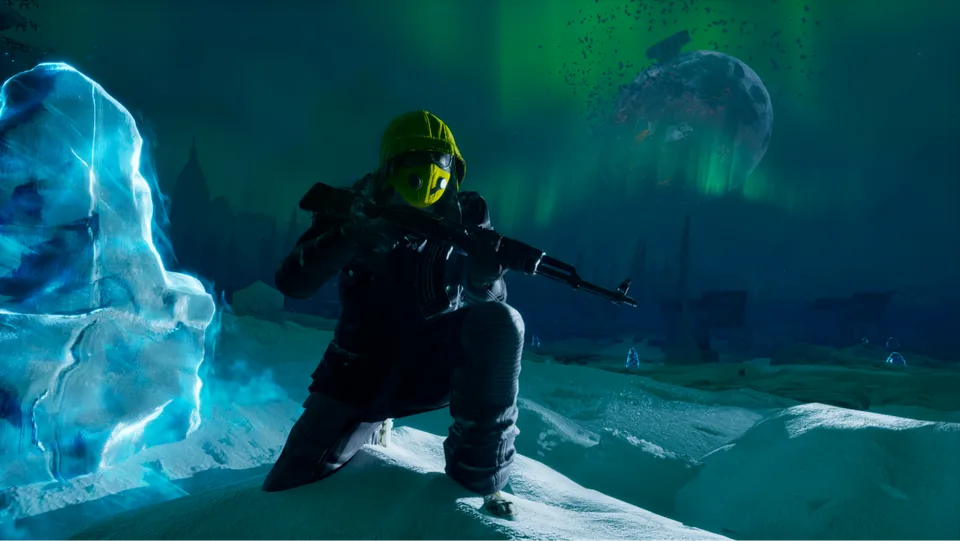
Permafrost vs Rust: Survival Gameplay and Mechanics Comparison
Discover the core differences between the survival mechanics of Permafrost and Rust, focusing on cold-weather survival, crafting, and progression systems.
Published: Permafrost Wiki Editorial Team
Video Guide
PERMAFROST Early Access Gameplay | New OPEN WORLD SURVIVAL like RUST and FALLOUTTable of Contents
Understanding Permafrost Survival Mechanics
When comparing the survival experience of Permafrost (available on Steam) against the established tropes of Rust, players quickly notice that the former is built around the punishing reality of an Arctic environment. While Rust is often defined by its high-stakes social interactions and rapid-fire base building, Permafrost leans heavily into the environmental struggle.
In Permafrost, survival is not just about defending your territory; it is about mastering the cold. The game requires players to manage temperature thresholds, where even minor oversights in clothing or shelter can lead to rapid health depletion. Unlike the broader survival sandbox of Rust, the gameplay loop in Permafrost is deeply tied to the physical state of the world—such as the transition of water states, the scarcity of fuel, and the necessity of specialized tools to extract resources from frozen ground.
Progression and Resource Management
One of the most distinct differences lies in how players advance their capabilities. In Permafrost, progression is tightly integrated with the environment. Players often find themselves needing to smelt iron or harvest specific ores to unlock higher-tier blueprints.
Resource Gathering: Initial survival relies on gathering scrap and basic materials found in the wilderness.
Smelting and Crafting: Players must utilize furnaces and workbenches to convert raw materials into usable components.
Skill Development: Experience is gained through active tasks like hunting or smelting, which directly feeds into the ability to craft advanced tools.
Environmental Interaction: Repairing infrastructure, such as bridges or towers, is essential for unlocking new map areas and safer travel routes.
According to community reports, the game rewards players who take the time to build and maintain local bases. Unlike the often nomadic nature of early-game Rust, Permafrost encourages players to establish a "home base" where they can centralize their crafting benches and repair stations, effectively turning the surrounding wilderness into a managed territory.
Environmental Challenges: The Arctic Reality
While Rust players are accustomed to radiation zones and environmental hazards, Permafrost introduces a more granular approach to cold-weather survival. The environmental degradation depicted in the game—reminiscent of real-world phenomena where warming temperatures impact permafrost stability—is a core gameplay mechanic.
Tip
Manage Internal Heat: Always keep bandages and warming items like alcohol on hand when exploring frozen zones to counteract sudden drops in body temperature.
Prioritize Gear: Upgrading clothing (e.g., tribal boots or hoods) is just as critical as upgrading weapons. Your survival depends on your temperature threshold.
Utilize Dog Companions: Players have noted that keeping track of additional inventory space provided by companions is vital for long-distance scouting.
Comparative Overview of Survival Elements
Feature
Permafrost Survival
Rust Survival
Primary Threat
Extreme Cold & Environment
PvP Combat & Raiding
Crafting Focus
Resource Smelting & Blueprints
Tech Tree & Component Grinding
Environment
Dynamic Arctic Landscape
Diverse Biomes (Desert, Snow, Forest)
Progression
Experience-based & Exploration
Time-gated & Tech-based
FAQ: Frequently Asked Questions
Is Permafrost just a cold-climate clone of Rust?
No. While both share the "survival" tag, Permafrost focuses on specific environmental survival mechanics and a more structured progression system tied to the Arctic setting, whereas Rust is primarily a competitive multiplayer sandbox.
How do I effectively manage my temperature in Permafrost?
Temperature management requires a combination of high-tier clothing and finding shelter. Players should focus on crafting better gear as soon as blueprints are unlocked and use campfires strategically to extend exploration time in colder regions.
Does Permafrost feature the same PvP intensity as Rust?
Based on gameplay observations, Permafrost emphasizes PvE (Player vs. Environment) challenges, such as hunting, resource gathering, and environmental survival, rather than the intense, non-stop PvP raiding culture found in Rust.
Final Thoughts for New Survivors
The decision between diving into Permafrost or sticking with Rust largely depends on what kind of survival experience you are seeking. If you enjoy the challenge of high-stakes social combat and the constant threat of losing your base to other players, Rust remains the industry standard.
However, if you find yourself drawn to the atmospheric, methodical challenge of surviving in a harsh, frozen wilderness where every resource gathered feels like a hard-won victory, Permafrost offers a unique and satisfying gameplay loop. The ability to directly influence the world by repairing structures and mastering complex smelting processes makes it a standout title for fans of survival-crafting games.