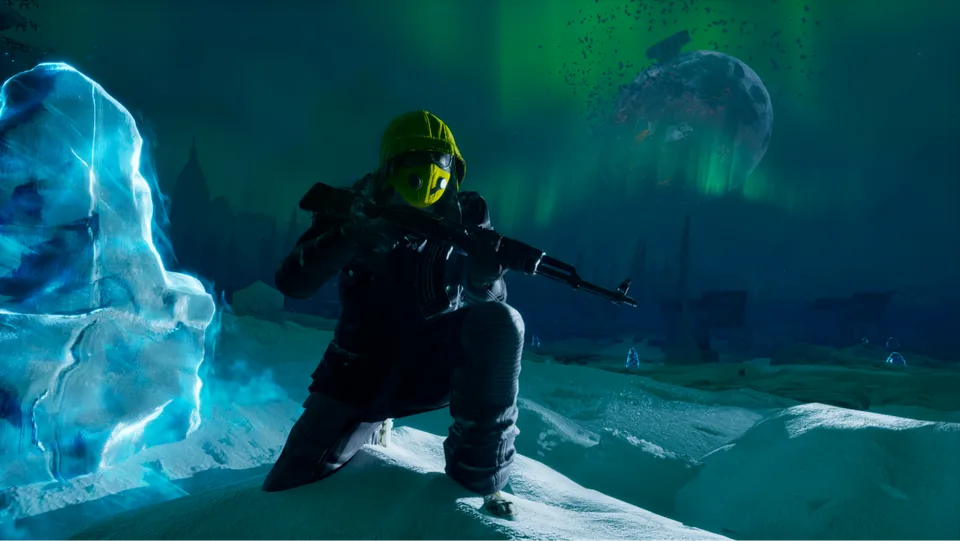
Permafrost Survival Guide: Mastering Solo Gameplay in the Frozen Wilds
Discover essential survival strategies for playing Permafrost solo. Learn how to manage the cold, master exploration-gated progression, and thrive in the apocalypse.
Published: Permafrost Wiki Editorial Team
Table of Contents
Thriving Alone in the Permafrost Wilderness
Permafrost is a grounded, narrative-heavy survival experience that challenges players to endure a world locked in an endless winter. While the game supports cooperative play for up to four people, the solo experience is uniquely intense, stripping away the comfort of a team and forcing you to rely entirely on your own wits and preparation. As a "Rook"—an engineer displaced by catastrophe—your goal is to rebuild and survive against the elements.
Playing solo in Permafrost means every decision regarding shelter, movement, and resource gathering carries weight. Because the environment is your primary antagonist, you cannot simply brute-force your way through the world. Instead, you must master the mechanics of warmth and navigation to avoid becoming another casualty of the frozen wasteland.
Understanding the Survival Loop
Unlike typical survival games that might focus on constant combat, Permafrost emphasizes scarcity and environmental endurance. Success in a solo run depends on how well you adapt to the world's natural rhythms.
Key Survival Priorities
Temperature Management: The cold is alive. You must prioritize finding or building shelter before the storm hits.
Exploration-Gated Progression: You cannot unlock everything at once. Progression is tied to finding and repairing abandoned technology and structures, which then allows you to push deeper into the map.
Resource Discipline: Scavenging is vital, but carrying capacity is limited. Learn to prioritize essentials like fuel, food, and repair components.
Maintain constant awareness of the weather forecast.
Keep your dog companion nearby; they are essential for detecting hidden dangers.
Prioritize building a network of small, scattered shelters rather than one large base.
Always repair your equipment before it breaks completely; field repairs are significantly harder during a storm.
The Role of Your Companion
In the silence of the frost-bitten world, your dog is your most valuable asset. Unlike many games where pets are merely cosmetic, your companion in Permafrost serves a mechanical purpose.
According to official developer documentation, your dog scouts ahead to warn you of environmental hazards and carries extra supplies, which is critical for solo players who have limited inventory space. Beyond the stats, the dog serves as a narrative anchor, providing a sense of companionship that prevents the isolation from becoming overwhelming. Always feed and protect your dog—their ability to detect threats before you see them can save you from an untimely death in the ruins.
Navigating the Frozen Map
The game's map features a mix of crumbling urban ruins and untamed wilderness. Solo exploration requires a "stealth-first" approach. Because you lack the backup of teammates to watch your flank, you should avoid unnecessary conflict with factions occupying specific territories.
Strategic Exploration Tips
The "Hub and Spoke" Method: Establish a central safe house and build smaller "lean-to" shelters in surrounding areas. This creates a network of safety that allows you to venture further without the risk of freezing to death on the trek back.
Pathfinding: Use natural landmarks to navigate rather than relying solely on map markers. In heavy blizzards, your vision will be severely restricted, making it easy to get turned around.
Observation: Before entering a ruined building or a new zone, take a moment to watch for patterns. Often, you can slip past dangers by simply timing your movement with the weather or the patrol paths of local threats.
Progression and Technology Repair
Progression in Permafrost is not just about leveling up a character; it is about reclaiming the lost history of the world. As an engineer, your ability to repair machinery is your path to survival.
Salvage: Search ruins for blueprints and raw components.
Repair: Use your engineering skills to restore broken machines that provide heat or electricity.
Expand: Once a node is repaired, it often opens up new paths or provides resources that allow you to endure harsher climates.
Upgrade: Use recovered technology to improve your gear, which is necessary for moving into deeper, colder biomes.
Frequently Asked Questions
Can I play Permafrost entirely offline?
Permafrost is designed to be played as a solo experience or in a cooperative environment. While it is built for exploration and survival, you should ensure you have a stable connection if participating in any multiplayer features, though the solo mode is self-contained.
How punishing is the cold in the game?
The cold is the core challenge. You will face frostbite, extreme temperature drops, and blinding storms. If you are not prepared with adequate shelter, clothing, or fire, your survival time will be extremely limited.
Will there be more content added to the game?
Yes. The game is currently in Early Access, and the developers at SpaceRocket Games have explicitly stated their intention to spend at least 12 months adding new biomes, quests, and mechanics based on community feedback.
Final Advice for Solo Players
Survival is a marathon, not a sprint. Do not get frustrated if you fail early on; the world is meant to be unforgiving. Use the community resources available on the official Discord and Steam forums to discuss builds and survival tactics with other players. Remember, in Permafrost, the environment does not care how skilled you are—it only cares if you are prepared. Always pack that extra bit of fuel, keep your fire-starting materials dry, and never underestimate the distance between two points in a frozen wasteland.