Permafrost Pre-Release Gameplay and Early Access Survival Guide
Explore the frozen world of Permafrost with our pre-release gameplay breakdown, covering key survival mechanics, base building, and early-game tips for this open-world survival experience.
Published: Permafrost Wiki Editorial Team
Video Guide
I Played Permafrost Before Release: Is It Worth It?Table of Contents
Understanding the Early Access Survival Loop
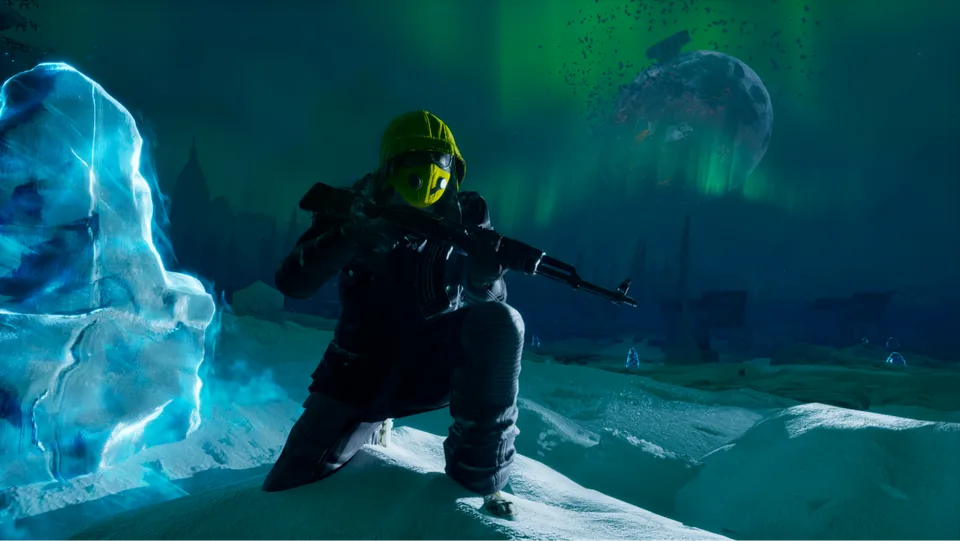
Permafrost, developed by SpaceRocket Games and published by Toplitz Productions, offers a grounded, intense survival experience. Unlike many fantasy-heavy survival games, this title focuses on scarcity, cold-weather management, and the literal shattering of the moon as the catalyst for its endless winter. Since the game is in Early Access, players should expect evolving mechanics, with developers actively seeking community feedback to refine the world, quests, and quality-of-life features.
The gameplay centers on "Rook," an engineer drawn into the frozen wilderness by a mysterious radio signal. The survival loop is unforgiving: you are not just fighting enemies, but the environment itself. Managing your core temperature through fire, shelter, and specific attire is paramount. Based on community insights and pre-release testing, the game rewards "learning by doing"—performing tasks like mining or crafting directly increases your proficiency in those areas.
Establishing Your First Shelter
Building a base in a freezing environment is your primary goal to survive the first few days. According to gameplay observations, the most effective approach is to stay grounded and avoid overly ambitious, tall structures that might expose you to the elements or structural instability.
Resource Gathering: Focus on collecting wood, stone, and flint early on. Use your starting tools to harvest basic raw materials.
Basic Construction: Unlock the blueprint for foundation, walls, and doorways. Ensure your shelter is fully enclosed to retain heat.
Utility Placement: Prioritize building a survival bed for saving progress and a campfire for immediate warmth.
Storage Solutions: Build a wooden chest early to manage your limited inventory space, preventing unnecessary item loss during exploration.
Bench Crafting: Set up a workbench as soon as possible to upgrade from basic stone tools to refined flint axes and pickaxes.
Mastering Resource Gathering and Crafting
Success in Permafrost depends on your ability to convert raw materials into survival gear. You will frequently encounter nodes of stone, flint, and later, copper. Note that mining nodes have a finite capacity, and using the correct tool (like a refined pickaxe) is crucial for efficiency.
[ ] Flint Gathering: Essential for early-game tool upgrades; look for rocky outcrops.
[ ] Copper Mining: Necessary for mid-game tech like the radio station; typically found in deeper or more dangerous caverns.
[ ] Temperature Control: Always carry enough fuel for a campfire if you plan to venture far from base.
[ ] Inventory Management: Always prioritize carrying bandages and enough meat for your dog and yourself.
Community reports indicate that "learning by doing" applies to your craft. As you perform tasks repeatedly, your efficiency improves. For example, mining copper nodes becomes faster as you gain experience, allowing you to venture deeper into cold zones before your health depletes.
The Role of Your Dog Companion
One of the most distinct features highlighted in the current version is your dog. This isn't just a cosmetic pet; the dog is a functional companion. In the initial survival stages, you can find your dog in specific locations (such as the "bone cave"). Once rescued and bonded, the dog becomes an essential part of your exploration strategy.
Scouting: The dog acts as an early warning system for nearby predators or threats.
Utility: It can help manage your inventory load, allowing you to carry more resources back to your base.
Morale: Surviving in isolation is psychologically taxing; the dog provides a necessary sense of companionship in the silent, frozen ruins.
Navigating Hazards and Faction Territories
The frozen world of Permafrost is not empty. You will encounter remnants of a fallen society and, potentially, hostile factions. Combat is described as grounded; you won't be dealing with constant, high-intensity gunfire. Instead, encounters are tense and scarce.
Warning
The Cold is Constant: Even in combat or while looting, your temperature bar is constantly ticking down. Never prioritize a fight or a scavenger hunt over your immediate warmth—if you freeze to death, your gear remains at the location, requiring a dangerous retrieval mission.
If you die, you leave behind a death marker. While this allows for retrieval, it forces you to navigate back through potentially hostile environments. Many players find that the most dangerous moments occur during "storms" or at night, where ambient temperatures drop significantly. Use these times to hunker down in your shelter or warm up by a fire.
FAQ: Frequently Asked Questions
Is Permafrost the same as a standalone Demo?
The game is currently in Early Access (Steam App ID: 2254990). Any playtest content mentioned in community videos may differ from the current live Early Access build. Always rely on official patch notes for the most accurate feature lists.
Can I play this game with friends?
Yes, the game supports co-op multiplayer for up to 4 players. The developers have designed the world to be challenging regardless of group size, meaning co-op adds strategic depth rather than simply making the game easier.
How long will the game stay in Early Access?
According to the official Steam store page, the developers plan to remain in Early Access for at least 12 months to expand biomes, quests, and core mechanics based on player feedback.
For the latest updates and to get involved in the development process, keep an eye on the official community channels linked through the Steam store page. Always ensure your system meets the minimum requirements, as the game requires a 64-bit processor and a significant memory footprint (16 GB RAM) to handle the frozen, open-world environments.